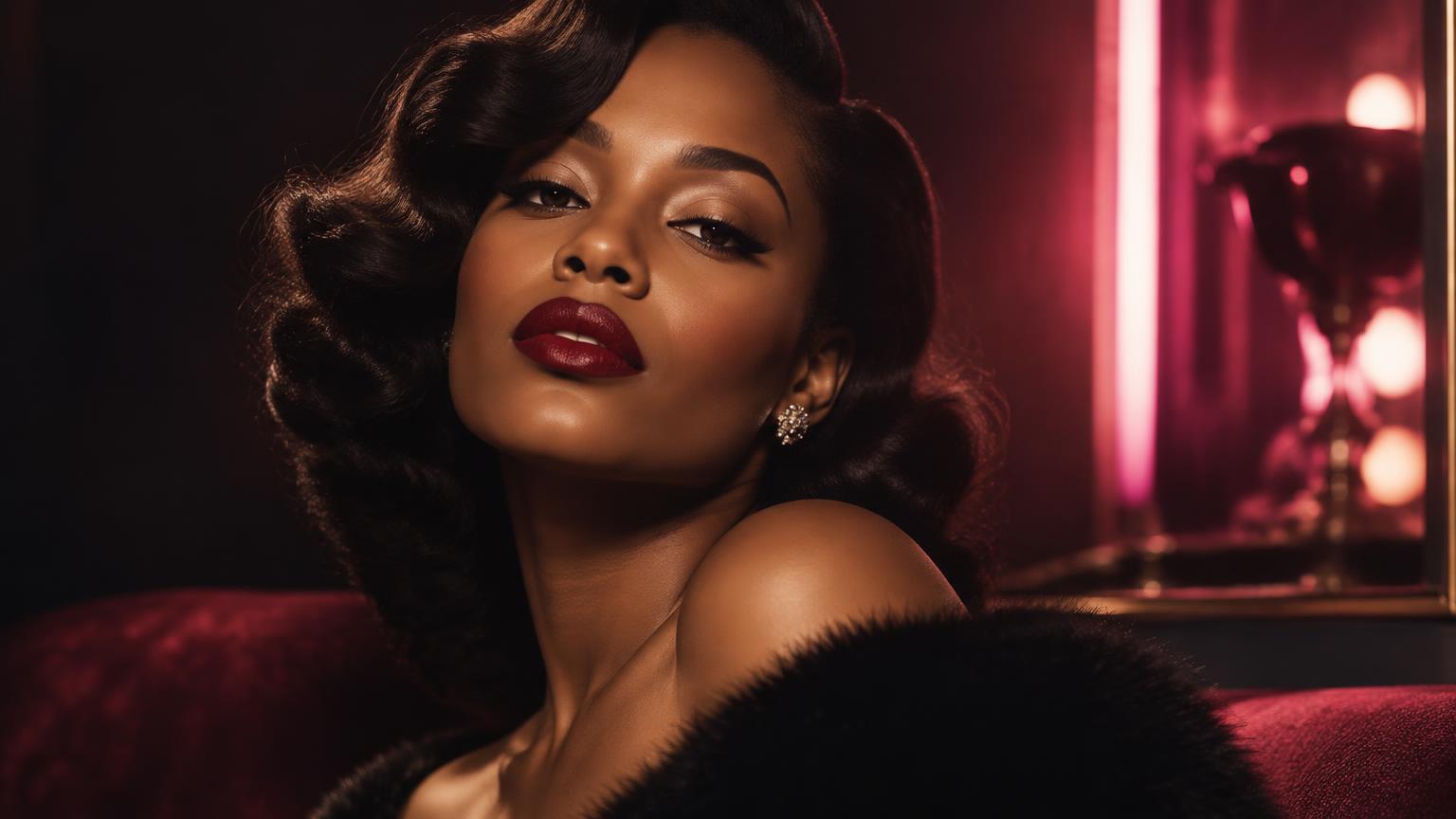
From ancient pigments to deep-brown statements, lip color has carried centuries of meaning. The most powerful part? Deciding what it means on you.
Before lipstick became the finishing touch, it was already part of a much bigger conversation: beauty, status, belonging, rebellion. A colored lip could announce that you understood the rules—or that you had absolutely no intention of following them.
That is what makes lip history so compelling. It is not simply a timeline of shades. It is a record of people negotiating how they want to be seen.
And the mouth is a remarkable place to make that decision. It speaks, smiles, refuses, welcomes. Dress it in color, and the message gains another layer.
Before the Bullet, There Was Pigment
Lip color did not begin at a beauty counter. In ancient Egypt, cosmetics were part of daily life and ceremonial practice, with pigments used to decorate the face, including the lips. Surviving objects and preparations reveal a culture that took the rituals of appearance seriously.
Still, ancient beauty deserves more than a quick origin story starring a famous queen. Ingredients, customs, and access varied across places and periods. There was no single ancient equivalent of the modern lipstick wardrobe.
The more interesting connection is the impulse itself: using color to transform the face into something intentional. Long before a twist-up tube made application convenient, people were making space for that gesture.
A lip was never merely a lip. It was also a surface for self-presentation.
Who Gets to Wear a Statement?
Across history, attitudes toward visible cosmetics have shifted dramatically. What one society or era treated as fashionable, another could frame as improper. Lip color has been caught in arguments about respectability, gender, class, and the difference between being noticed and being judged.
Those judgments were never applied evenly. The same bold mouth could read as elegant on one person and unacceptable on another, depending on who was looking and whose appearance society felt entitled to police.
That tension still feels familiar. Too red for the office. Too dark for daytime. Too much for someone your age.
History gives those little rules some perspective. They are not timeless truths about beauty. They are social preferences, often dressed up as authority.
You are allowed to recognize the difference.
When Lipstick Became Portable Power
The twentieth century changed the relationship between lip color and everyday life. Commercial packaging, wider retail distribution, cinema, and advertising helped make lipstick a familiar personal object: something carried in a handbag, applied before an entrance, or refreshed between appointments.
The portable tube made the ritual easier to take along. A private act of preparation could happen almost anywhere.
Film also helped turn lip shapes into visual signatures. The defined, smaller-looking mouths associated with some 1920s screen beauty gave way to other fashionable proportions and finishes over the decades. There was never one permanent ideal—only another look being presented as the look.
That is worth remembering whenever a trend declares your natural lip shape out of season. Fashion changes its mind. Your mouth does not owe it an apology.
Red Is a Language, Not a Personality Test
Red lipstick has carried many meanings: glamour, defiance, polish, celebration. None belongs exclusively to the shade, and none is mandatory for the person wearing it.
You do not have to become louder to wear red. You do not need a special occasion, a particular outfit, or a rehearsed version of confidence.
For a contemporary take on that long-running statement, Voluptuous, Pretty Smack Society’s Midnight Matte liquid lipstick in rich deep red (`midnight-matte-voluptuous`), brings the drama without requiring a costume. Wear it with clean lines and let the color hold the room.
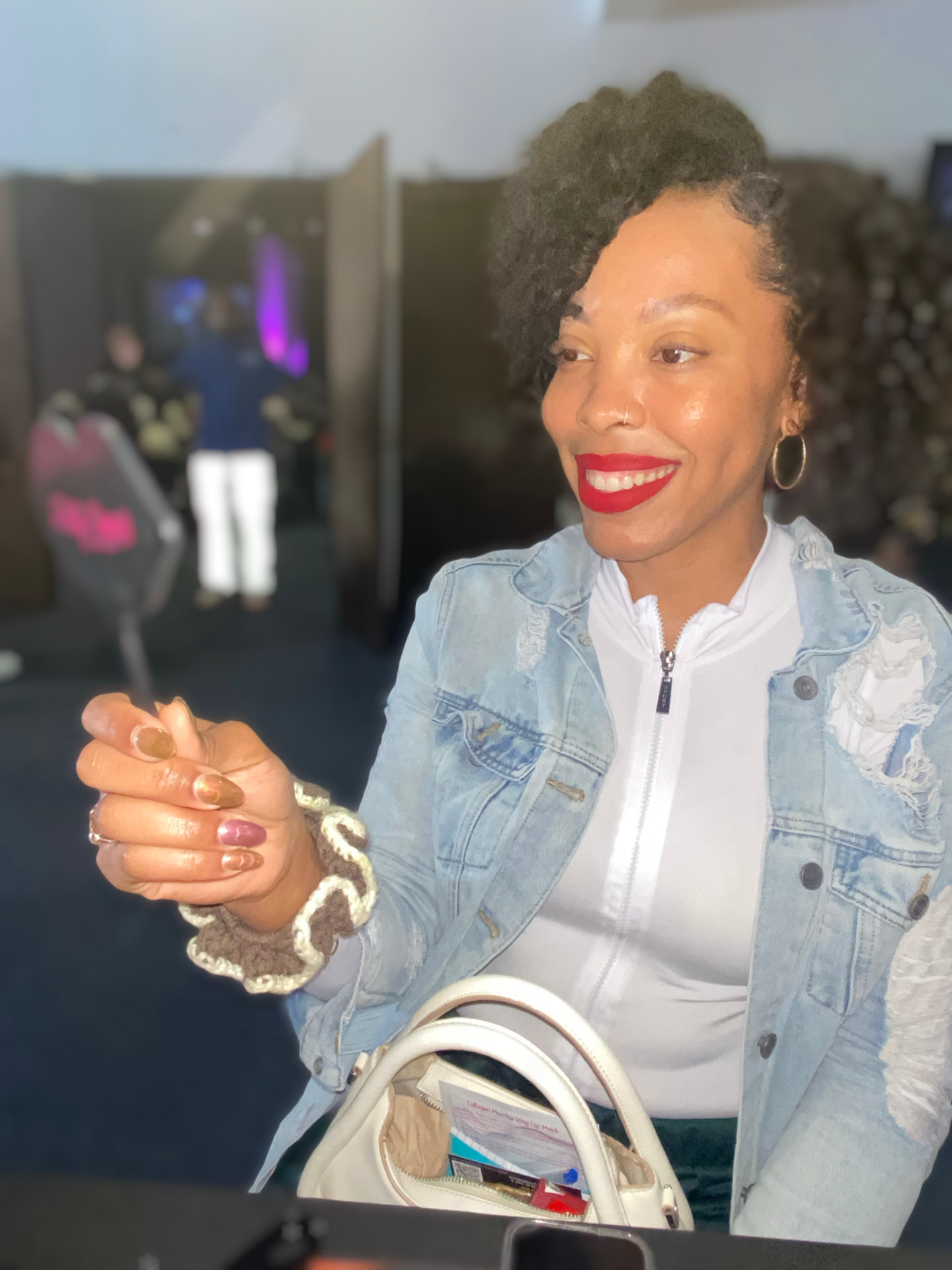
Customer wearing Voluptuous
The point is not to imitate an earlier era. It is to borrow its sense of intention.
Brown, Definition, and Cultural Memory
Deep brown lips and visible liner hold a distinctive place in late-twentieth-century beauty memory. Black and Latina communities helped shape and popularize looks that remain influential, even when later trend cycles repackage them without much acknowledgment.
These communities are not interchangeable, and neither are their beauty traditions. Giving credit means resisting the easy claim that a look has just been discovered because a new audience is noticing it.
If rich brown speaks to your own style, Sophisticated, the Midnight Matte liquid lipstick in deep coffee brown (`midnight-matte-sophisticated`), offers a striking way to explore that depth. Let the shade lead, or pair it with a thoughtfully defined outline.

Customer wearing Sophisticated
Appreciating a look and respecting its cultural context can happen in the same mirror.
Your Mouth, Your Meaning
Lip history is full of people being told what their appearance should communicate. The pleasure of a personal lip wardrobe is deciding for yourself.
Some days, color is ceremony. Some days, it is play. Sometimes bare lips say everything you want to say.
At Pretty Smack Society, Where Power Starts at the Lips is an invitation, not a dress code. Know the history. Appreciate the artistry. Then choose the mouth you want to meet the world with today.
Shop the story

